
-
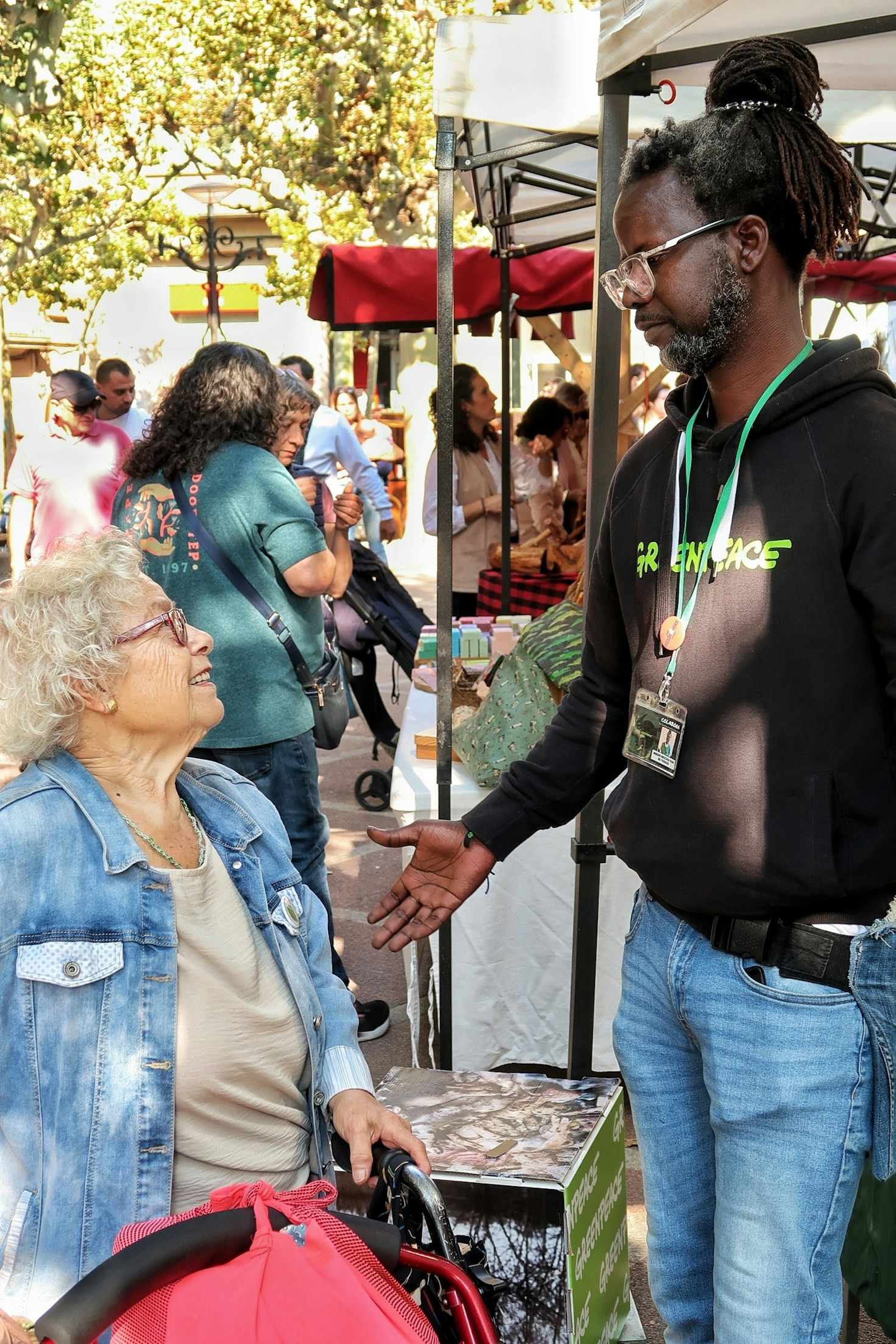
Crisis intervention does not occur in a vacuum. For many people experiencing crisis—particularly unhoused individuals, people who use drugs, and those impacted by poverty, racism, or criminalization—the crisis itself is often rooted in systemic harm. A justice-centered approach recognizes that responding effectively means addressing not only the immediate situation, but also the broader social conditions…
-
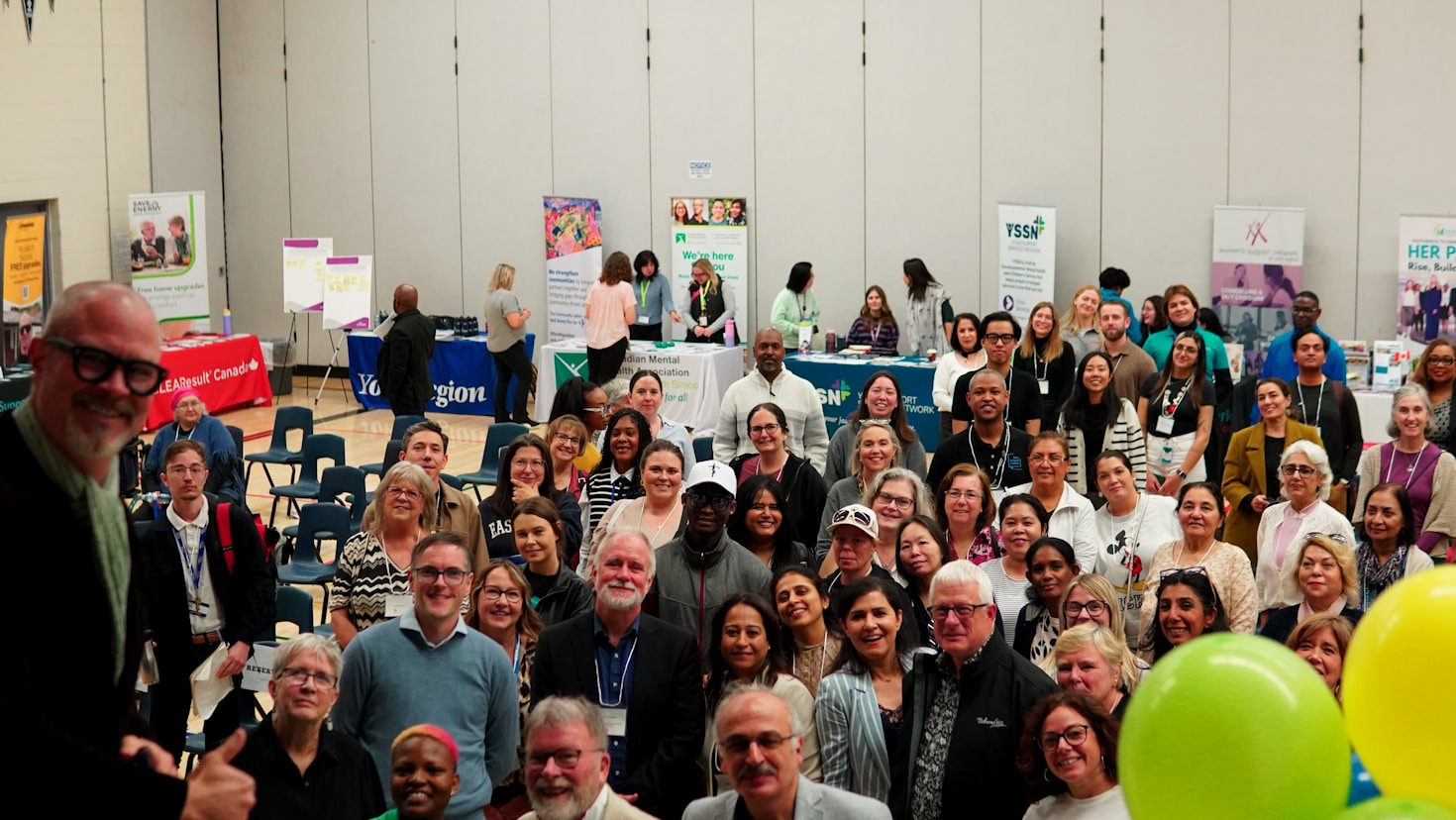
Access to essential resources should not depend on a person’s housing status, transportation, paperwork, or ability to navigate complex systems. Yet in rural communities like Grant County, those barriers often determine who receives help and who is left without support. When services are centralized, appointment-based, or tied to rigid eligibility requirements, many of the people…
-

Marginalization often occurs when systems are designed without the voices or realities of those most affected. People who are unhoused, living in poverty, using substances, or navigating mental health challenges are frequently reduced to labels rather than seen as whole human beings. Addressing marginalization with dignity begins by recognizing the humanity, autonomy, and lived experience…
-

Rural community advocacy requires strategies that reflect the unique realities of geography, access, and limited infrastructure. In many rural areas, residents face long travel distances, scarce services, and systems that are designed with urban populations in mind. Effective advocacy begins with understanding these challenges and grounding efforts in local relationships, lived experience, and practical solutions…
-

Housing insecurity is a complex issue that no single organization or system can solve alone—especially in rural communities like Grant County. Individuals facing housing instability often navigate overlapping challenges related to income, health, transportation, and access to services. Addressing these realities requires collaboration that goes beyond siloed efforts and instead brings together local organizations, service…
-

Harm reduction supplies are a critical public health tool that save lives every day. Items such as sterile syringes, naloxone, safer use supplies, and hygiene materials reduce the risk of overdose, infectious disease transmission, and preventable medical complications. For many people, access to these supplies is the difference between survival and tragedy—especially in rural communities…
-

Trauma is a common thread in the lives of many people experiencing homelessness, substance use, and mental health crises. Past and ongoing exposure to violence, loss, instability, and systemic harm can shape how individuals respond to services, authority, and support. Trauma-informed outreach recognizes these realities and approaches people with an understanding that behaviors are often…